





What Is an Anal Fistula?
An Anal fistula is a painful and abnormal tunnel that forms between the anal canal and the skin near the anus. An Anal fistula usually develops after an untreated abscess or infection in the anal glands. When pus drains improperly, it can create a persistent tract, leading to chronic discharge, pain, swelling, and discomfort.
Many patients ignore early symptoms of Anal fistula, assuming it is a minor issue. However, Anal fistula rarely heals on its own and often requires medical intervention.
If you are suffering from Anal fistula symptoms, early diagnosis and expert treatment are critical.
Common Symptoms of Anal Fistula
Recognizing Anal fistula early can prevent complications. The most common Anal fistula symptoms include:
- Persistent pain around the anus
- Swelling near the anal opening
- Recurrent abscess formation
- Pus or blood discharge
- Foul smell
- Irritation and itching
- Fever in severe Anal fistula cases
If you experience repeated infections or discharge, it may indicate a chronic Anal fistula that needs immediate medical care.
Causes of Anal Fistula
Understanding the root cause of Anal fistula helps in effective treatment. The most common causes include:
- Anal abscess (primary cause of Anal fistula)
- Infection of anal glands
- Inflammatory bowel disease
- Trauma or surgery in the anal region
- Tuberculosis-related infections
- Poorly treated perianal infections
An untreated abscess is the leading cause of Anal fistula formation. Proper drainage at the right time can prevent Anal fistula development.
Types of Anal Fistula
Not all Anal fistula cases are the same. The type of Anal fistula determines the treatment approach.
Simple Anal fistula – Straight tract, easier to treat
Complex Anal fistula – Multiple branches, higher recurrence risk
Low Anal fistula – Involves minimal muscle
High Anal fistula – Involves significant sphincter muscle
Correct classification of Anal fistula ensures precise surgical planning and reduces recurrence.
Why Anal Fistula Should Not Be Ignored
Ignoring Anal fistula can lead to:
- Chronic infection
- Recurrent abscess
- Severe pain
- Spread of infection
- Rarely, long-standing untreated Anal fistula may increase risk of serious complications
Early intervention for Anal fistula improves healing time and reduces treatment complexity.
Best Treatment Options for Anal Fistula
- Fistulotomy for Anal Fistula
This is the most common surgical procedure for simple Anal fistula. The tract is opened and allowed to heal naturally. - Laser Treatment for Anal Fistula
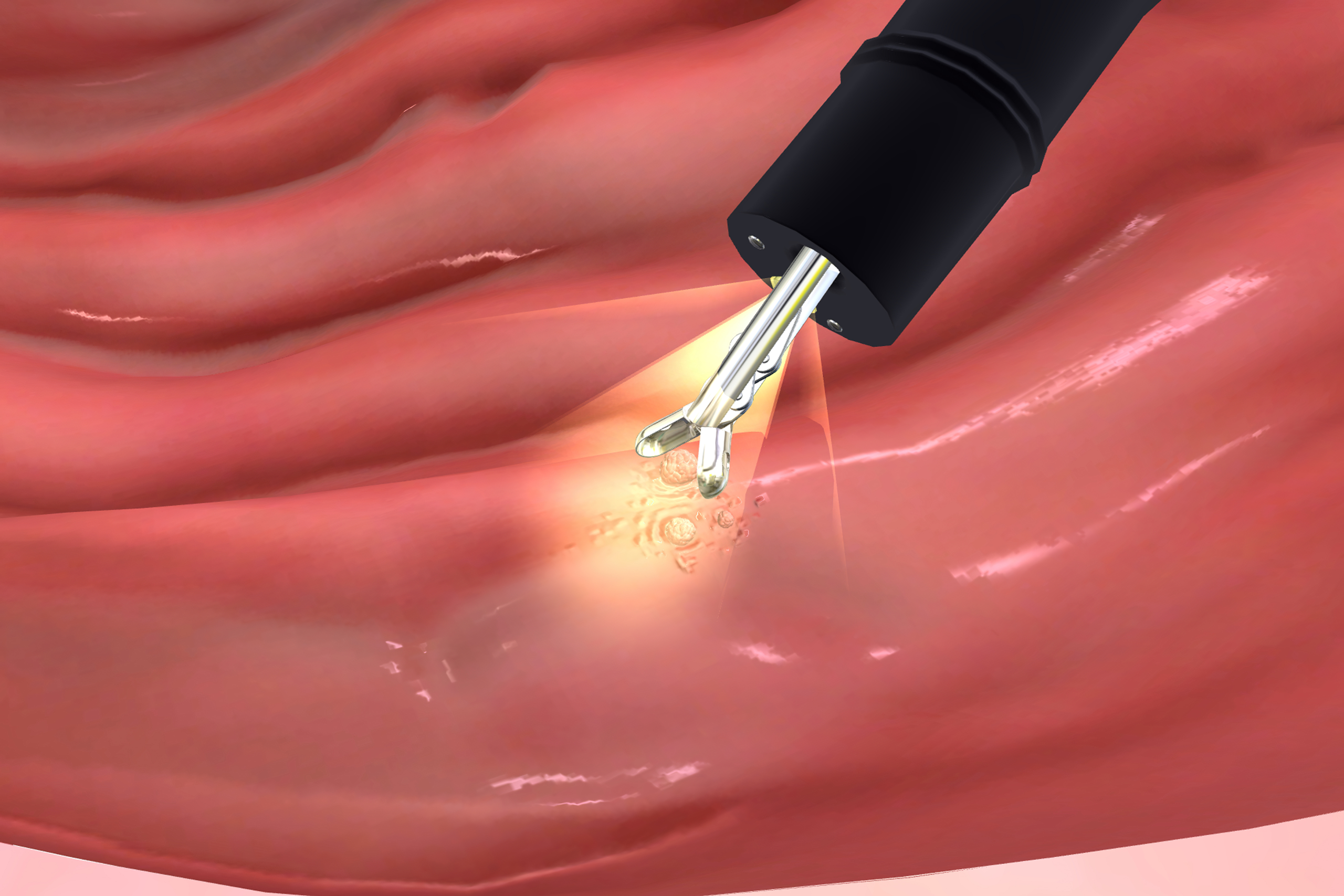
Modern laser treatment for Anal fistula is minimally invasive, less painful, and ensures faster recovery. - Seton Placement in Anal Fistula
Used in complex Anal fistula cases to allow drainage while preserving muscle. - Advanced Sphincter-Saving Procedures
For complex Anal fistula, sphincter-saving techniques reduce the risk of incontinence.
Choosing the right Anal fistula treatment depends on the type and severity of the condition.
Why Choose Specialized Anal Fistula Care?
Expert management of Anal fistula ensures:
- Accurate diagnosis
- Proper imaging if needed
- Customized treatment plan
- Reduced recurrence rate
- Faster healing
- Minimal pain
A dedicated Anal fistula specialist understands the complexity of fistula tracts and offers advanced treatment solutions.
Laser Surgery for Anal Fistula – Modern & Effective
Laser treatment for Anal fistula is gaining popularity because:
- Minimal bleeding
- Less postoperative pain
- Faster return to work
- Day-care procedure
- High success rate
Laser Anal fistula treatment is especially beneficial for patients seeking minimally invasive options.
Recovery after Anal Fistula Treatment
Post-treatment care for Anal fistula includes:
- Maintaining hygiene
- Sitz baths
- Antibiotics (if prescribed)
- Follow-up visits
- High-fiber diet
Most Anal fistula patients resume normal activities within days to weeks depending on the procedure.
How to Prevent Anal Fistula
- Treating anal abscess promptly
- Maintaining hygiene
- Managing chronic bowel diseases
- Avoiding delay in treatment
Early care reduces chances of developing chronic Anal fistula.
Common FAQs about Anal Fistula:
- Who is the Best Fistula Doctor in Hyderabad?
Daksh Hospitals in Kondapur is recognized for advanced laser fistula treatment and expert management of complex and recurrent fistula cases in Hyderabad. - What is the cost of fistula surgery in Hyderabad?
The cost depends on the complexity of the fistula and treatment method. At Daksh Hospitals, Kondapur, transparent pricing and affordable laser fistula treatment options are available. - Is laser fistula surgery available in Kondapur, Hyderabad?
Yes, Daksh Hospitals in Kondapur offers advanced laser fistula surgery with minimal pain and faster recovery. - Can fistula be cured permanently?
Yes. With proper surgical management by the Best Fistula Doctor in Hyderabad, fistula can be treated permanently with reduced recurrence risk. - How long does fistula surgery recovery take?
Most patients undergoing laser fistula surgery in Hyderabad resume normal activities within a few days, depending on the case. - Is fistula surgery painful?
Modern laser fistula treatment at Daksh Hospitals significantly reduces pain compared to conventional surgery. - Do you treat recurrent fistula cases?
Yes. Daksh Hospitals specializes in complex and recurrent fistula treatment in Hyderabad using advanced techniques. - Which areas near Hyderabad do you serve?
Patients visit Daksh Hospitals from Kondapur, Gachibowli, Hitech City, Madhapur, Kukatpally, and surrounding areas. - Do I need MRI before fistula surgery?
In complex cases, MRI fistulogram may be advised for accurate mapping before fistula surgery in Hyderabad. - How do I book an appointment with the Best Fistula Doctor in Hyderabad?
You can contact Daksh Hospitals in Kondapur directly via Google Business Profile, phone call, or clinic visit to schedule a consultation.
