




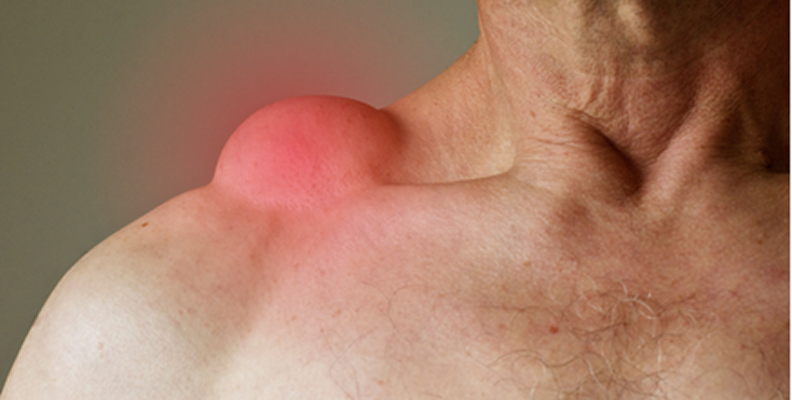
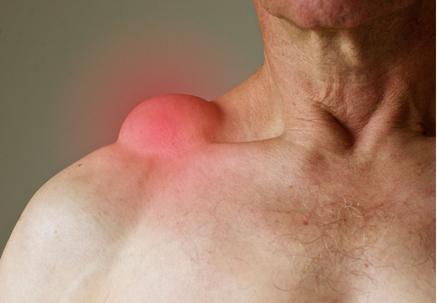
Lipoma is one of the most common benign tumors seen in medical practice. The word lipoma itself comes from the Greek word lipos, meaning fat, and oma, meaning tumor. A lipoma is a slow-growing, non-cancerous growth made up of mature fat cells. Although a lipoma is usually harmless, the presence of a lipoma often creates fear, curiosity, and confusion among patients. Understanding lipoma properly helps reduce anxiety and prevents unnecessary treatment.
What Is a Lipoma?
A lipoma is a benign tumor composed entirely of adipose tissue. Each lipoma develops from fat cells that multiply abnormally in one localized area. Unlike normal fat, a lipoma is enclosed in a thin fibrous capsule, which allows the lipoma to remain distinct from surrounding tissues.
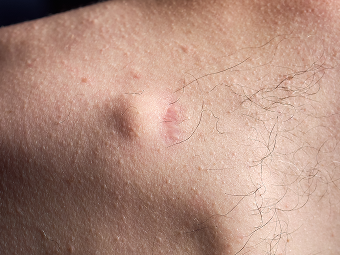
A typical lipoma feels soft, rubbery, and movable under the skin. Most lipoma lesions are painless and grow very slowly over time. A lipoma can remain small for years without causing any symptoms.
How Common Is Lipoma?
Lipoma is extremely common. Studies suggest that around 1 in 100 people will develop a lipoma at some point in their life. Many people have more than one lipoma, and some individuals may have multiple lipoma lesions across the body.
Interestingly, many lipoma cases remain undiagnosed because the lipoma is small and asymptomatic. In many situations, a lipoma is discovered accidentally during a routine checkup or imaging done for another reason.
A common misconception is that lipoma is caused by obesity or excessive fat intake. This is not true. Lipoma can occur in thin, average-weight, and obese individuals alike. Losing weight does not make a lipoma shrink, and gaining weight does not necessarily make a lipoma grow faster.
Lipoma growth is related to localized fat cell proliferation, not overall body fat. This is one of the most important facts patients should understand about lipoma.
Age and Gender Distribution of Lipoma
Lipoma most commonly appears between the ages of 40 and 60 years, although a lipoma can develop at any age. Lipoma is rare in children unless there is a genetic condition involved.
Some studies show a slight male predominance in lipoma occurrence, but overall, lipoma affects both men and women almost equally.
Genetic Factors and Lipoma
Genetics plays a significant role in lipoma development. Certain families show a tendency to develop multiple lipoma lesions, a condition known as familial multiple lipomatosis. In such cases, lipoma formation often starts at a younger age and continues throughout life.
Genetic syndromes associated with lipoma include:
- Familial multiple lipomatosis
- Dercum’s disease (painful lipoma)
- Madelung disease
- Gardner syndrome
In these conditions, lipoma is not just a cosmetic issue but part of a broader medical disorder.
Can Trauma Cause Lipoma?
There is evidence suggesting that trauma may trigger lipoma formation. A lipoma sometimes develops at the site of a previous injury, injection, or blunt trauma. This type of lipoma is called a post-traumatic lipoma.
The proposed explanation is that trauma may stimulate fat cell differentiation or cause herniation of fat tissue, leading to lipoma formation. However, trauma is not considered a primary cause of lipoma in most cases.
Painful Lipoma: A Lesser-Known Fact
Most lipoma lesions are painless. However, some lipoma variants can cause pain. Painful lipoma may occur when:
- The lipoma compresses a nerve
- The lipoma contains blood vessels
- The lipoma grows in a tight anatomical space
An angiolipoma is a type of lipoma rich in blood vessels and is often painful. In Dercum’s disease, multiple painful lipoma lesions occur, usually associated with obesity and metabolic issues.
Where Can a Lipoma Occur?
Lipoma can occur almost anywhere in the body where fat tissue exists. The most common locations for lipoma include:
- Neck
- Shoulders
- Back
- Arms
- Thighs
- Abdomen
Less commonly, lipoma can develop in deep tissues such as muscles (intramuscular lipoma) or internal organs. Rare lipoma locations include the tongue, esophagus, colon, heart, and even the brain.
Size Variations in Lipoma
Most lipoma lesions are small, measuring between 1 and 5 cm. However, some lipoma lesions grow very large. A giant lipoma is defined as a lipoma larger than 10 cm or weighing more than 1 kilogram.
Giant lipoma is uncommon but can cause discomfort, cosmetic concerns, and functional problems. Surgical removal is usually advised for giant lipoma.
Growth Pattern of Lipoma
Lipoma grows slowly. Many lipoma lesions remain stable in size for years. A sudden increase in lipoma size should always be evaluated, as rapid growth is not typical for a simple lipoma.
Rapid growth may suggest:
- Liposarcoma
- Hemorrhage within a lipoma
- Infection or inflammation
- Importantly, a lipoma does not transform into cancer.
- Lipoma vs Liposarcoma
A crucial fact about lipoma is that lipoma does not become liposarcoma. Liposarcoma is a malignant tumor that arises independently and has a completely different biological behavior.
However, large, deep, or fixed fatty masses should be evaluated carefully to distinguish lipoma from liposarcoma.
Diagnosis of Lipoma
Most lipoma cases can be diagnosed clinically. The classic features of lipoma include:
- Soft consistency
- Mobile mass
- Painless nature
- Slow growth
- In atypical cases, imaging may be required.
- Imaging Features of Lipoma
- Ultrasound: Homogeneous, well-defined lipoma
- CT scan: Fat-density lesion consistent with lipoma
- MRI: High signal intensity on T1 and T2 sequences
- MRI is particularly useful for deep or intramuscular lipoma.
Is Biopsy Needed for Lipoma?
- Biopsy is rarely required for lipoma. It is considered when:
- Lipoma is deep-seated
- Lipoma is painful
- Lipoma shows rapid growth
- Imaging findings are suspicious
- In most cases, lipoma diagnosis is straightforward.
Treatment Options for Lipoma
Most lipoma lesions do not require treatment. Treatment is considered if the lipoma causes:
- Pain
- Functional limitation
- Cosmetic concern
- Diagnostic doubt
- Surgical Removal of Lipoma
Surgical excision is the definitive treatment for lipoma. The procedure involves removing the lipoma along with its capsule. When completely removed, lipoma recurrence is rare.
Surgery for lipoma is usually simple, safe, and curative.
Non-Surgical Treatments for Lipoma
Non-surgical treatments such as steroid injections, liposuction, and injection lipolysis have been tried for lipoma. These methods may reduce the size of a lipoma but often leave the capsule behind, increasing recurrence risk.
Therefore, surgery remains the gold standard for lipoma treatment.
Recurrence of Lipoma
A lipoma rarely recurs after complete excision. Recurrence is more likely if:
- The lipoma is intramuscular
- The capsule is not completely removed
- Proper surgical technique minimizes lipoma recurrence.
Psychological Impact of Lipoma
Even though lipoma is benign, it can significantly affect a person’s quality of life. Visible lipoma lesions can cause embarrassment, anxiety, and fear of cancer. Proper education about lipoma helps reduce unnecessary stress.
Lipoma in Medical Research
Lipoma is studied extensively to understand fat cell biology, adipocyte differentiation, and benign tumor growth. Research on lipoma has helped scientists understand how fat tissue behaves independently of systemic metabolism.
Conclusion
Lipoma is a common, benign, and usually harmless condition. Despite its simplicity, lipoma raises many questions about fat metabolism, genetics, trauma, and tumor biology. Understanding lipoma helps clinicians reassure patients and avoid unnecessary investigations.
With proper knowledge, lipoma can be managed confidently, conservatively, and effectively. Whether small or large, superficial or deep, a lipoma remains one of the most reassuring diagnoses in clinical medicine.
